


[ad_1]
A A brand new research has discovered that not even New York Metropolis’s rats are proof against COVID-19.
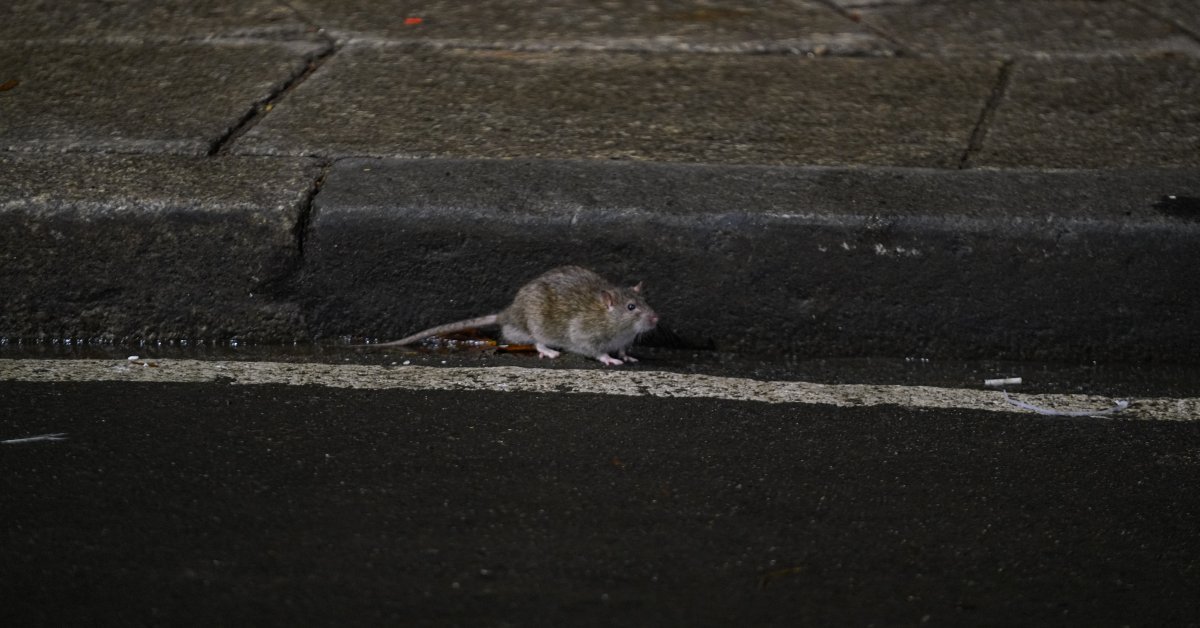
The research, revealed in mBio, The Journal of the American Academy of Microbiology discovered that feral rats within the metropolis’s sewage system and elsewhere within the metropolis have been uncovered to SARS-CoV-2, exhibiting that rats have been prone to an infection with alpha, delta, and omicron variants of the virus are.
“Our outcomes underscore the necessity for additional monitoring of SARS-CoV-2 in city rat populations and to evaluate the potential danger of secondary zoonotic transmission from these rat populations again to people,” the authors write within the research.
The researchers needed to know whether or not the virus was transmitted to rats in people and to which variants rats are prone. The crew arrange two traps close to sewage methods and caught 79 rats at three areas in and round Brooklyn metropolis parks within the fall of 2021, when Delta was dominant.
Proceed studying: Why animals are much less prone to omicron than people
13 of the rats (about 16%) examined optimistic for COVID-19, and the researchers used genomic evaluation to establish a potential hyperlink to the viruses that have been circulating in people within the early levels of the pandemic. “To the very best of our data, this is likely one of the first research exhibiting that SARS-CoV-2 variants could cause an infection within the wild rat inhabitants in a big U.S. metropolitan space,” mentioned Henry Wan, director of the Heart for Influenza and Rising Infectious Illnesses on the College of Missouri and the research’s principal investigator in a press launch.
By nasally administering samples of various variants to wild rats, the researchers additionally discovered that Alpha, Delta and Omicron have been in a position to infect the rats.
The US Facilities for Illness Management and Prevention says the danger of animals transmitting COVID-19 to people is low. However Wan mentioned the outcomes underscore the necessity for steady monitoring of rats to observe for the potential growth of recent strains of the virus that might pose a danger to people.
“General, our work on this space demonstrates that animals can play a job in pandemics that have an effect on people, and it’s important that we proceed to enhance our understanding in order that we will shield human and animal well being,” mentioned he.
Extra must-reads from TIME
[ad_2]


Discussion about this post