


[ad_1]
It’s a startling projection that conveys an astonishing new American actuality: One in each two five-year-olds alive proper now will dwell to 100. That’s in line with researchers at Stanford College’s Middle on Longevity, who imagine a century-long life expectancy would be the norm for all newborns by 2050—lower than three a long time from now.
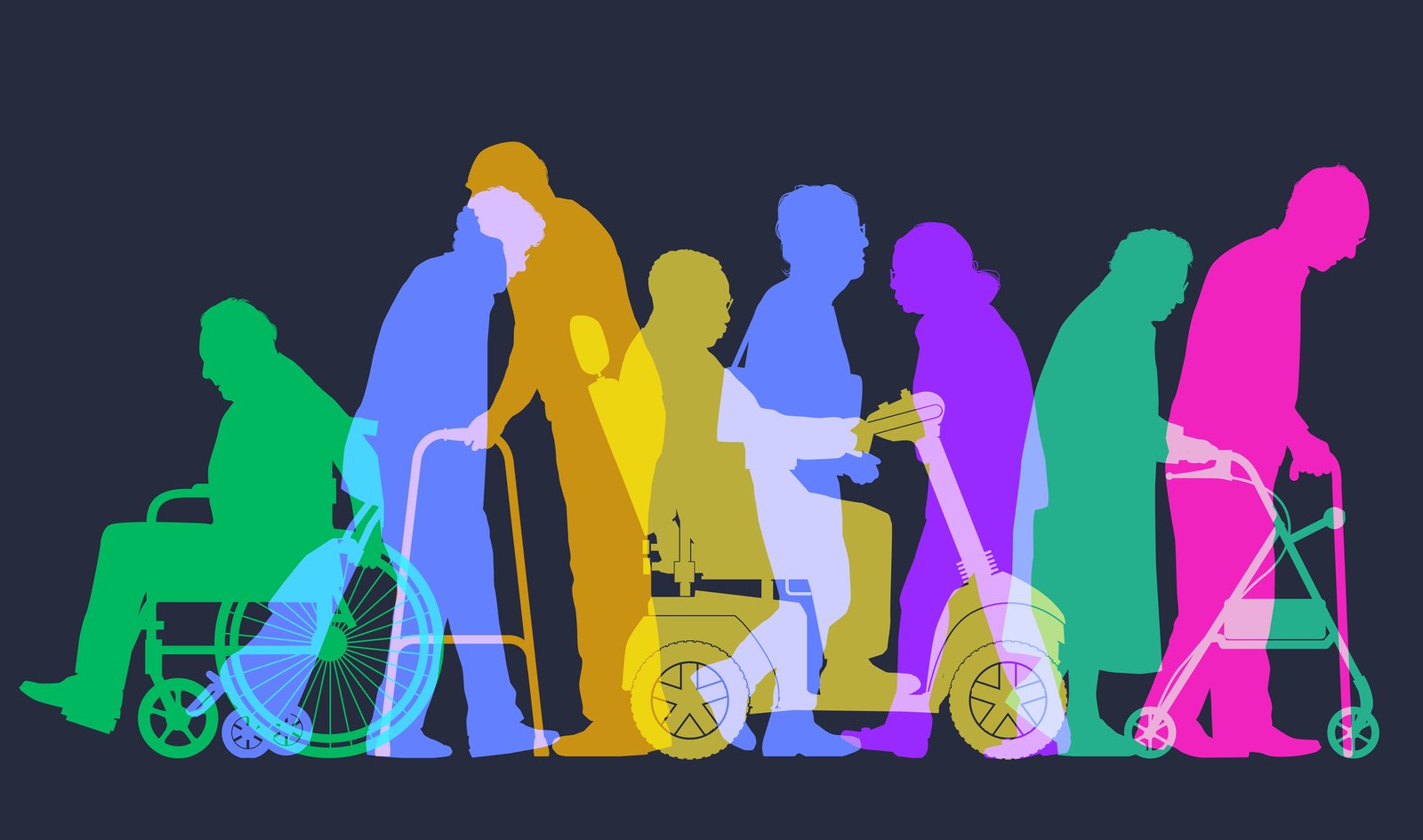
To not point out, greater than kindergarteners can anticipate a triple-digit life span. Propelled by ageing child boomers and continued medical advances, the variety of centenarians worldwide is anticipated to extend eightfold. Twenty-five years from now, there might be 3.7 million of us aged 100 or older—roughly equal to everybody now residing in Connecticut or Los Angeles.
Extra From TIME
The United Nations declares this a “longevity revolution,” and it’s going to problem the whole lot we thought we knew about well being care, private finance, retirement, politics, and extra. If we get it proper, our 100-year lives will maintain the potential for a lot extra brightness than bleakness. Think about an additional decade or two (or extra) to proceed creating and contributing—suppose 101-year-old tv producer Norman Lear or 102-year-old vogue icon Iris Apfel—or just having fun with an additional 20 or 30 vibrant years spent within the firm of these we love essentially the most.
Revolutions, although, are unpredictable. In our mutiny in opposition to mortality, there might be winners and losers, triumph and tragedy—and our motion or inaction as we speak will decide the standard of all these bonus tomorrows.
Learn Extra: Believing Myths About Growing old Makes Rising Outdated Worse
First issues first: We should do the whole lot in our energy to shut the unthinkable racial and ethnic gaps in longevity. White Individuals dwell about six years longer than Black Individuals, they usually account for greater than eight in 10 centenarians on this nation—a obtrusive inequity we should deal with. We are able to begin by lifting communities of shade out of poverty, guaranteeing they’ve equal entry to high quality well being care, and bettering outcomes for Black moms and infants, who die in childbirth at disproportionately increased charges.
However there’s additionally one other troubling query for anybody considering a 100-year life: The place will we discover the money to pay a century’s price of payments? Too many people start making ready for retirement in our 50s when we have to begin in our 20s and 30s. That’s very true in a world now largely devoid of pensions and pushed by a rising gig financial system. The median sum of money Individuals have stashed away for after they cease working is a woefully inadequate $30,000. Already, 40% of these aged 65 and older rely solely on Social Safety, which is projected to start out operating out of cash a decade from now if Congress doesn’t act by elevating the retirement age, rising payroll taxes, decreasing advantages or doing a little mixture of these issues. Ignoring all this dangers ushering in a grim new age of elder poverty on a scale we’ve by no means seen.
Who’s going to deal with us after we’re 100? Medicare doesn’t pay for long-term care; non-public care insurance coverage is dear; and assisted residing services can run as excessive as $8,000 a month. On high of that, we face a persistent scarcity of caregivers. One answer: wise immigration reform to herald expert newcomers who will help with house well being care and understaffed nursing properties, if we are able to overcome our xenophobia to enact it. In actual fact, we should, warns Ai-jen Poo, president of the Nationwide Home Employees Alliance. “There may be truly no strategy to meet the calls for of care and not using a robust immigrant workforce,” she says.
An equally daunting problem we’ll face at 100: Ensuring we don’t wind up on their lonesome. Loneliness theoretically might ease after we finally hit the stage of our longevity evolution the place giant numbers of us are reaching 100 collectively. However we’re not there but, leaving tens of millions of seniors to languish in solitude. U.S. Surgeon Common Vivek Murthy has proclaimed loneliness a public well being disaster, and the Nationwide Institute on Growing old says the well being results of extended social isolation are like smoking 15 cigarettes a day. As we hurtle collectively into our super-aging future, we’re going to want to attach with each other—bodily, socially, and emotionally—like by no means earlier than.
And since our youth-obsessed society nonetheless values kids over elders, we’ll should deal with rampant and rising ageism. The College of Michigan’s Nationwide Ballot on Wholesome Growing old discovered eight in 10 individuals 65 and older complain they’ve skilled ageism, one thing the World Well being Group says is damaging to our well being and well-being. Australia provides a chic answer with its revolutionary Centenarian Portrait Mission: Highschool artists are paired with 100-year-olds, they usually get to understand each other as the teenagers paint or sketch the elders. It’s easy, impressed, and delightful.
By now, you’re in all probability questioning whether or not residing to 100 is price it. If that’s the case, take coronary heart: Every little thing that’s unsuitable is fixable. And there’s encouraging information on the psychological well being entrance even past researchers making headway on remedies for Alzheimer’s and different dementia—the situation we concern essentially the most as we age. A 2021 examine by the Amsterdam College Medical Facilities of 340 Dutch centenarians residing independently discovered they suffered no severe decline in reminiscence or different mind operate and carried out at a excessive degree on assessments—and a few had been as previous as 108. “Cognitive impairment is just not inevitable at excessive ages,” the researchers concluded.
Herlda Senhouse is like that. Adroit and quick-witted at 112, the Massachusetts supercentenarian cracks jokes, discusses politics, dines out with pals, performs the slots at an area on line casino, and attends church, getting round with a walker she teasingly calls her Cadillac. After I fumbled for my glasses whereas chatting with her, I all of the sudden realized she doesn’t put on any herself, and he or she’s obtained 40 years on me.
“I’ve had a journey I by no means thought I’d ever have,” she says.
Will we be part of her? Our probabilities have by no means been higher.
Need extra recent views? Join TIME POV, our opinion e-newsletter
[ad_2]


Discussion about this post