


[ad_1]
MMost People have been treating COVID-19 as a non-crisis for months now, as immunity to vaccines and infections has seen instances fall and the virus turn into much less virulent.
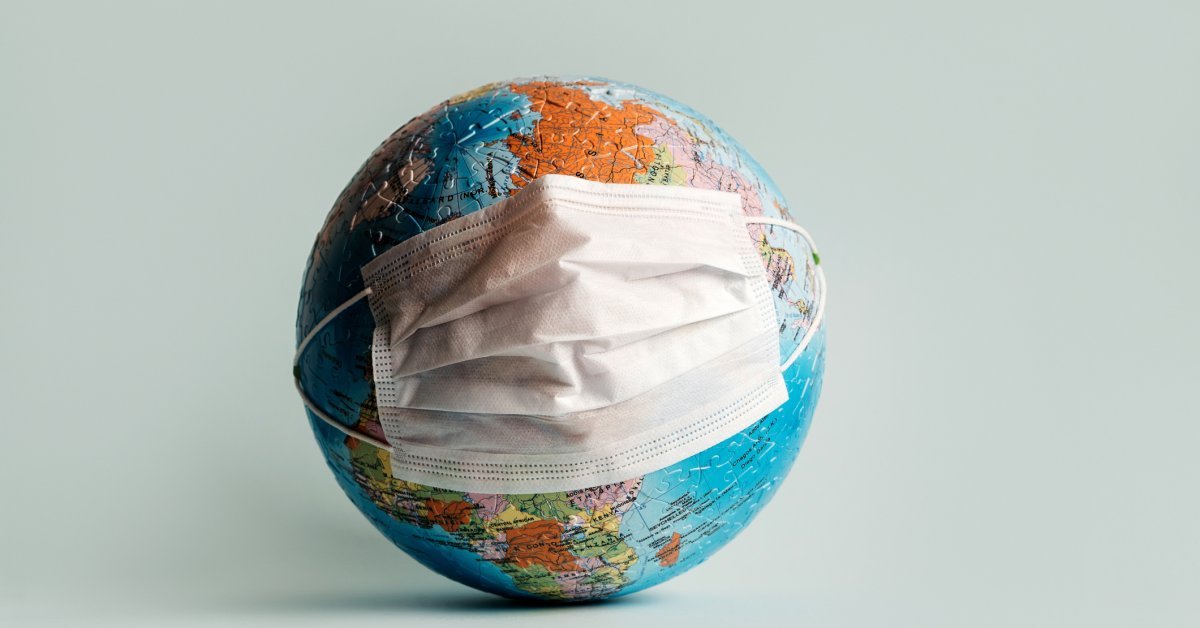
The federal authorities’s response to the pandemic will now mirror that diminishing urgency. On Might 11, the general public well being emergency and nationwide emergency associated to COVID-19 will formally finish. Which means lots of the emergency measures which have been put in place – by means of further funds, relaxed insurance coverage circumstances and free testing and therapy – are ending.
Whereas we might all be prepared to maneuver on from the pandemic, well being specialists hope we will maintain as lots of the optimistic adjustments introduced on by the well being emergencies as attainable.
What We Lose When the COVID-19 Emergencies Finish
The general public well being and nationwide emergencies have mobilized an unprecedented quantity of federal funding that has straight impacted the well being of people. Medicaid enrolled people continued to obtain protection no matter whether or not their eligibility modified from yr to yr throughout the pandemic, and hospitals obtained higher-than-normal reimbursements for the important medical care Medicare COVID-19 sufferers wanted. The federal government additionally offered free fast COVID-19 assessments – a key instrument in controlling the unfold of the virus – and free antiviral therapies as a part of its Check to Deal with scheme, which helped shorten individuals’s publicity time.
These efforts weren’t excellent. Testing — significantly at house — wasn’t attainable till late 2020, nearly a yr after the pandemic started, and as a consequence of transportation and different points, not everybody who wanted it had entry to the test-to-treat program in pharmacies. Nonetheless, such measures have been important in containing COVID-19, and crafting challenges will likely be essential to make sure they’re much more efficient in future responses.
Past the individual-level providers made attainable by the well being emergencies, group, state, and nationwide applications stored the general public abreast with close to real-time knowledge on the place instances had been rising — one thing that had not occurred earlier than, even with circumstances just like the flu. This helped states direct assets like testing and therapy to these communities and alert individuals when their threat of an infection was excessive. However most of those surveillance programs are additionally disappearing.
Classes discovered?
It is all a part of Public Well being 101: sound practices that lay the muse for preventing a fast-spreading illness like COVID-19. And for a short second, these fundamental methods confirmed their effectiveness, not simply in principle however in observe. “We have now witnessed a historic second, mobilizing large help and taking an amazing quantity of flexibilities and precautions to make sure the general public programs we depend on are as resilient as attainable,” mentioned Jen Kates, Director of International Well being & Well being. HIV coverage on the non-profit KFF. “We all know they did not work all over the place, however we noticed issues we do not usually have: protection of extra issues, entry to telemedicine, and better funds to hospitals. Now we’re going again to the common system.”
Not each pandemic response is critical exterior of emergencies, however public well being specialists at the moment are saying a few of these adjustments are important. One is a sturdy telehealth system coated by insurers so extra individuals can entry healthcare even when they can not see a health care provider. (Telehealth providers will proceed to be reimbursed for Medicare beneficiaries by means of December 2024 because of laws extending protection.) One more reason is to keep up a robust analysis group engaged on next-generation vaccines and coverings that may very well be simpler and extra quickly distributed , if — not if — one other pandemic strikes.
“If issues get considerably worse once more” — whether or not it is from COVID-19 or another infectious illness — “all of the flexibilities that existed throughout the public well being emergency will not exist,” says Kates. “And that might carry challenges.”
Hopefully, given the nation’s expertise, the US response to the following outbreak will likely be extra rational. The general public is now higher knowledgeable about how their conduct can management the unfold of a virus by means of high quality masking, common testing and isolation when signs are current. And lawmakers have seen firsthand how funding vaccines and coverings can repay. The duty earlier than us is to embed these expectations and behaviors within the nation’s healthcare system by offering the means for continued innovation in therapies. monitoring potential rising well being threats by means of programs resembling wastewater monitoring; and constructing a response community of individuals, innovation, and provides that’s versatile sufficient to determine and quickly reply to rising an infection threats.
The top of well being emergencies will return the US to its pre-pandemic public well being establishment, with state and native well being officers struggling to offer providers starting from fundamental prevention to safety in opposition to rising infectious ailments. COVID-19 has taught us that that is not sufficient. “New well being threats are rising. The time to take a position assets in preparation is now and never when the following pathogen begins to unfold,” mentioned Dr. Carlos del Rio, President of the Infectious Ailments Society of America and Affiliate Dean of Emory College Faculty of Medication & Grady Well being System. in an opinion. “Defending the American individuals requires a well-funded public well being, analysis and healthcare infrastructure and workforce educated in infectious ailments and biopreparedness.”
The everlasting implementation of as lots of the momentary measures made attainable by the general public well being emergency is a technique to make sure such preparedness and a approach to make sure that the sacrifices made throughout COVID-19 – within the type of misplaced lives and missed alternatives – aren’t in useless had been .
Extra must-reads from TIME
[ad_2]


Discussion about this post