


[ad_1]
AAs I entered the house stretch of consuming dysfunction therapy over 10 years in the past, my therapist and I talked about how I might cope in the true world and hold myself sane as soon as our remedy ended. For me, being wholesome meant consuming usually, not ravenous myself or proscribing meals, and never making myself vomit, issues I might been doing on and off for many of my grownup life.
Throughout therapy, I’ve practiced new habits, challenged outdated beliefs, and sure, I’ve gained weight. I used to be decided to hurry up my restoration (sadly no grades are given) and hadn’t absolutely understood that perfectionism and black-and-white pondering are traits shared by many individuals with consuming issues.
Now I used to be finished with remedy—within the sense that the behavioral remedy I had been prescribed was full, but in addition “finished” within the sense that I used to be about it. Able to get off that too-soft beige sofa and re-enter the world because the New, Reclaimed Me. My consuming dysfunction was previously and I used to be eagerly awaiting the final little bit of restoration knowledge.
“In the event you really feel such as you’re slipping whereas consuming a meal and have an impulse to void, take a second,” my therapist supplied. “As an alternative of throwing up, write in your journal or do a crossword.”
Wait. What? I checked out her, who was sitting throughout from me, smiling kindly. Was she severe?
I understood her larger level: look ahead to the second to move. The sensation of fullness made me panic. The vomiting introduced instant aid. In remedy I realized that if I waited 15 or 20 minutes, each the fullness and the panic went away. However come on. Diary? crossword? Hadn’t she ever thrown up? Felt the exhilaration and excessive? Hadn’t she ever starved herself till her head was clear and buzzing and all the things in life felt proper? Sure, I preferred writing a diary. However I did have a black belt in self-destructive conduct. Did not she have something higher?
Proceed studying: Coronavirus poses new challenges for individuals residing with consuming issues – This is how survivors are trying on-line for assist
Probably not. For a time, remedy helped finish my most damaging behaviors, however I wasn’t geared up with a lot to maintain restoration. Within the years that adopted, I might relapse greater than I care to depend, and would revert to those behaviors like an outdated pal with a nasty affect at occasions of stress, unhappiness, or feeling like I had misplaced management in one other space of my life. It is not one thing I talked about as a result of it was embarrassing. I questioned what was improper with me that the therapy wasn’t “sticking”. After which I began speaking to different girls who advised me that they had had the identical experiences. They had been handled however the consuming dysfunction nonetheless lurked.
As a journalist, I got down to analysis restoration from consuming issues and shortly got here throughout numbers that counsel that even below the very best of circumstances, when somebody like me is recognized, they’ve entry to well being care and an evidence-based one receiving therapy. The recidivism fee might be as excessive as 70%.
I used to be among the many luckiest. Individuals inside the BIPOC neighborhood are solely half as more likely to be recognized or handled as their white counterparts, and by some estimates, they might be extra more likely to undergo from consuming issues.
Consuming issues have one of many highest mortality charges of any psychological sickness. Of the estimated 30 million People who will expertise an consuming dysfunction of their lifetime, about 20% might be handled with no assure of long-term restoration. Even the Nationwide Consuming Issues Affiliation, the biggest nonprofit that helps individuals with consuming issues and their households, is sticking to the difficulty, writing on its web site: “Consuming dysfunction researchers have but to develop a set of standards to outline precisely what elements are mandatory.” are [to maintain recovery].”
Funding for consuming dysfunction therapy is low. In 2022, the Nationwide Institutes of Well being estimated that it spent $53 million on analysis into consuming issues. Consuming issues are complicated sicknesses – new analysis suggests neurological parts, together with trauma, stress, a historical past of weight-reduction plan and plenty of different elements. There is no such thing as a customary of care within the US, that means that whereas there are therapies like cognitive behavioral remedy which were researched and have helped many sufferers, there is no such thing as a agreed or regulated customary. I might put up an indication outdoors my house tonight saying I deal with consuming issues and do not have to offer evidence-based care.
As well as, restoration from consuming issues happens towards a backdrop of a tradition that values being skinny and match, and sometimes equates low weight with being wholesome. Lately, there was a surge in demand for Ozempic — a diabetes drug — from non-diabetics who use the drug off-label for its appetite-suppressing results. Individuals speak extra in regards to the “advantages” of weight reduction than its scary unintended effects, which embody pancreatitis and blurred imaginative and prescient. How are these of us recovering from consuming issues presupposed to navigate this panorama to keep away from relapsing?
Proceed studying: What the Ozempic obsession with meals and well being is lacking
An even bigger query arises: Is a full restoration potential? when am i Accomplished? By interviews with revered researchers, therapy suppliers, and different girls who’ve suffered and proceed to undergo, I spotted that so usually restoration does not “work” as a result of the answer is as complicated because the issues themselves. The trail to therapeutic is jagged.
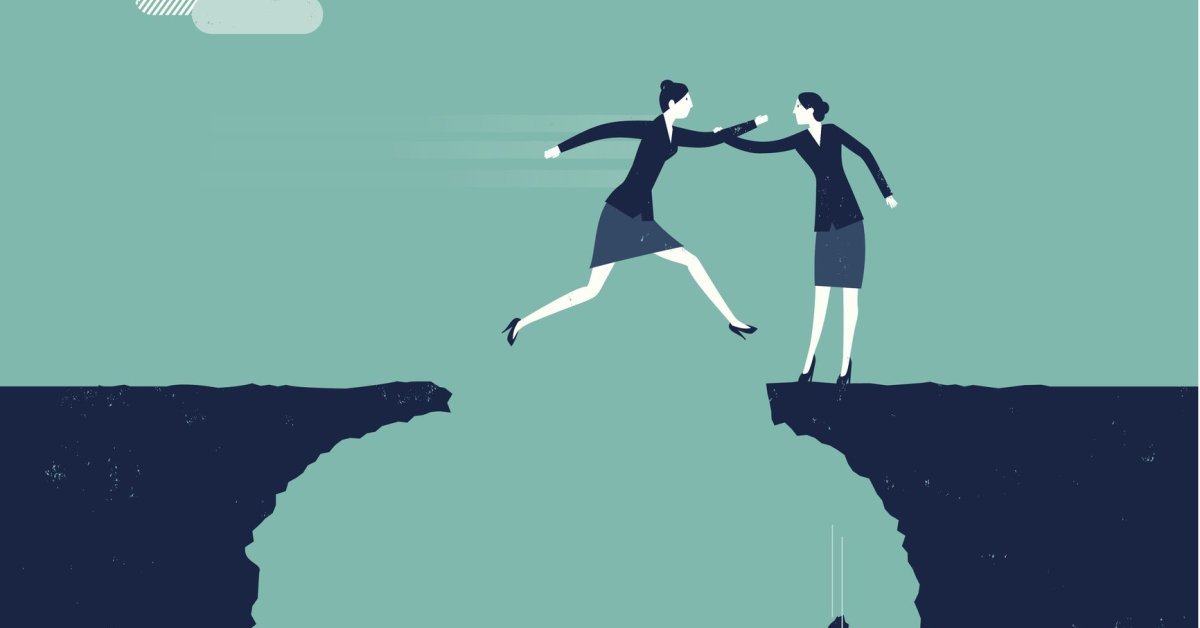
Consuming dysfunction survivors are among the many greatest advocates and could also be our greatest hope for long-term therapeutic. Kristina Saffran — who as a youngster based Challenge HEAL, a nonprofit that helps individuals discover and pay for therapy — later developed Equip Well being, an internet therapy for consuming issues that gives insurance coverage and grants sufferers a five-care staff : Therapist, Nutritionist, Doctor, Peer Mentor, and Household Mentor. Having been out and in of therapy herself, certainly one of her precedence points is sustaining restoration, and mentors are the “secret ingredient,” as she put it to me, to having somebody in her nook who’s been by means of it.
Gloria Lucas, an educator who’s clear about her personal historical past of recidivism, based Nalgona Positivity Pleasure, the place she focuses on consuming dysfunction consciousness within the BIPOC neighborhood, providing assist teams and offering hurt discount data to individuals who will not be prepared for and even excited by stopping consuming dysfunction behaviors however wish to enhance their high quality of life. This degree of nuance is crucial to reaching a phase of the inhabitants that’s so usually neglected in the case of consuming dysfunction therapy.
Most of the closing elements of my restoration got here collectively whereas I used to be writing my e-book. As I educated myself and experimented with new coping instruments, I discovered my very own obsessions with what I ate or how a lot I exercised diminished. I realized new expertise to cope with my anxiousness, which for me is instantly associated to my consuming dysfunction. I gained a deeper understanding of how damaging and ingrained our weight-obsessed tradition is. Now I do know that when I’ve a adverse thought of my physique picture, it isn’t my inside voice. It is an outsider who needs me to not like myself sufficient to purchase something.
I wasn’t certain if therapeutic from an consuming dysfunction was potential as a result of my very own expertise was so disappointing at first. Now I’ve modified my place. It appears completely different for various individuals. In talking with a whole bunch of girls, I grew to become a part of a disaffected however hopeful neighborhood of people that wish to get effectively, are demanding higher therapies, and consider it’s potential.
Extra must-reads from TIME
[ad_2]


Discussion about this post