


[ad_1]
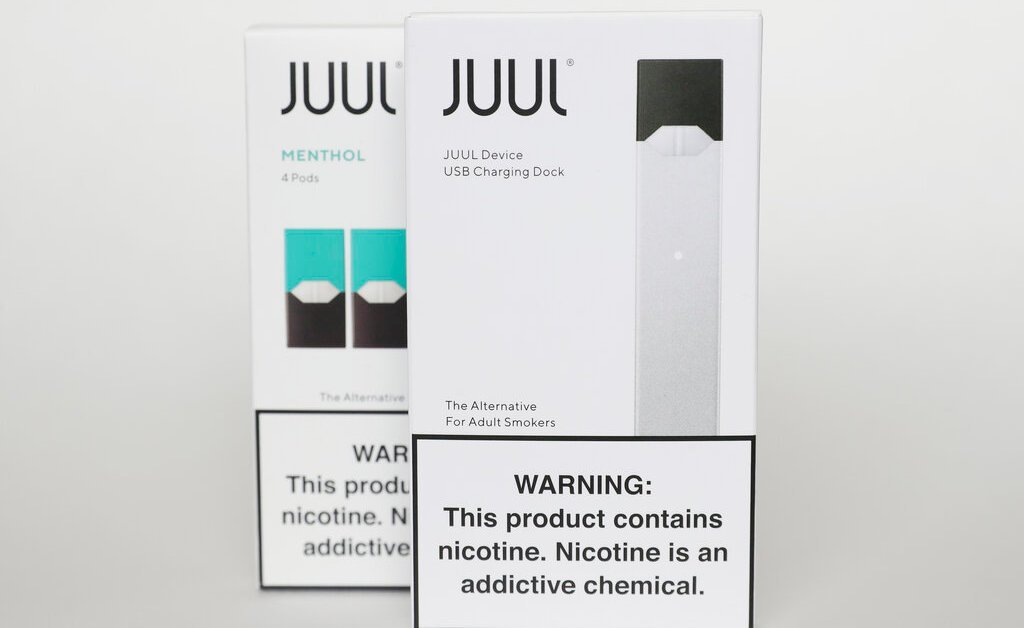
HARTFORD, Conn. – Digital cigarette maker Juul Labs pays almost $440 million to settle a two-year investigation of 33 states into advertising its high-nicotine vaping merchandise, lengthy accused of sparking a nationwide surge in vaping amongst teenagers.
Connecticut Lawyer Common William Tong introduced the deal Tuesday on behalf of the states plus Puerto Rico, which got here collectively in 2020 to research Juul’s early promotions and claims concerning the security and advantages of its know-how as an alternative choice to smoking.
The settlement resolves one of many greatest authorized threats going through the ailing firm, which nonetheless faces 9 separate lawsuits from different states. Moreover, Juul is going through a whole lot of private fits introduced on behalf of youngsters and others who say they’ve develop into hooked on the corporate’s vaping merchandise.
The state investigation discovered that Juul marketed its vapes to underage youngsters by launch events, product giveaways and advertisements, and social media posts, in response to an announcement.
“Via this settlement, we now have secured a whole lot of hundreds of thousands of {dollars} to cut back nicotine use and compelled Juul to simply accept a stringent collection of injunctions to finish youth advertising and crack down on underage gross sales,” Tong mentioned in a press launch.
Proceed studying: “It is insidious”: How Juul bought e-cigarettes to Native American tribes
The $438.5 million will likely be paid out over a interval of six to 10 years. Tong mentioned Connecticut’s fee of at the very least $16 million will likely be used for vaping prevention and schooling efforts. Juul has beforehand settled lawsuits in Arizona, Louisiana, North Carolina and Washington.
Many of the restrictions imposed by Tuesday’s settlement will not have an effect on the practices of Juul, which stopped utilizing events, giveaways and different promotions after coming underneath scrutiny a couple of years in the past.
Teen vaping utilization skyrocketed after the launch of Juul in 2015, prompting the US Meals and Drug Administration to declare an “epidemic” of underage vaping amongst teenagers. Well being specialists mentioned the unprecedented surge dangers addicting a technology of younger folks to nicotine.
However as of 2019, Juul has principally been in retreat, dropping all US promoting and pulling its fruit and sweet flavors from retailer cabinets.
The largest blow got here earlier this summer time when the FDA banned all Juul vapes from the market. Juul challenged that call in court docket, and the FDA has since resumed its scientific evaluate of the corporate’s know-how.
The FDA evaluate is a part of a broader effort by regulators to scrutinize the multibillion-dollar vaping business after years of regulatory delays. The company has authorized a handful of e-cigarettes for grownup people who smoke searching for a much less dangerous different.
Whereas Juul’s preliminary advertising centered on younger, city shoppers, the corporate has since shifted to providing its product as a substitute supply of nicotine for older people who smoke.
“We stay centered on our future as we fulfill our mission to maneuver grownup people who smoke away from cigarettes – the main explanation for preventable deaths – whereas tackling underage smoking,” the corporate mentioned in an announcement.
Proceed studying: It is too straightforward to name the Juul ban a public well being triumph
Juul has agreed to waive a wide range of advertising practices as a part of the settlement. These embrace not displaying cartoons, paying social media influencers, portraying anybody underneath the age of 35, promoting on billboards and on public transport, and inserting advertisements in all retailers except 85% of their viewers is adults .
The deal additionally contains restrictions on the place Juul merchandise might be positioned in shops, age verification on all gross sales, and restrictions on on-line and retail gross sales.
Juul initially bought its nicotine-rich capsules in flavors like mango, mint, and cream. The merchandise grew to become a scourge in US excessive faculties as college students fumed in bogs and hallways between courses.
However latest federal survey information exhibits that youngsters are leaving the corporate. Most youngsters now favor disposable e-cigarettes, a few of which proceed to be bought in candy, fruity flavors.
Total, the survey confirmed a virtually 40% drop in teen vaping charges as many youngsters had been compelled to check from house throughout the pandemic. Nonetheless, federal officers cautioned in opposition to deciphering the outcomes as a result of they had been first collected on-line and never in lecture rooms.
Perrone reported from Washington, DC
Extra must-read tales from TIME
[ad_2]


Discussion about this post